

CBT: Cognitive Behavioral Therapy & CBT - E: Cognitive Behavioral Therapy for eating disorders
CBT & CBT - E offered by Shelley Restall, a specially trained social worker, for individuals seeking help with anxiety, depression, perfectionism, and eating disorders including ARFID, Anorexia, Bulimia, and Binge Eating concerns.

CBT: Cognitive Behavioral Therapy for Perfectionism, Anxiety, Depression and other concerns.
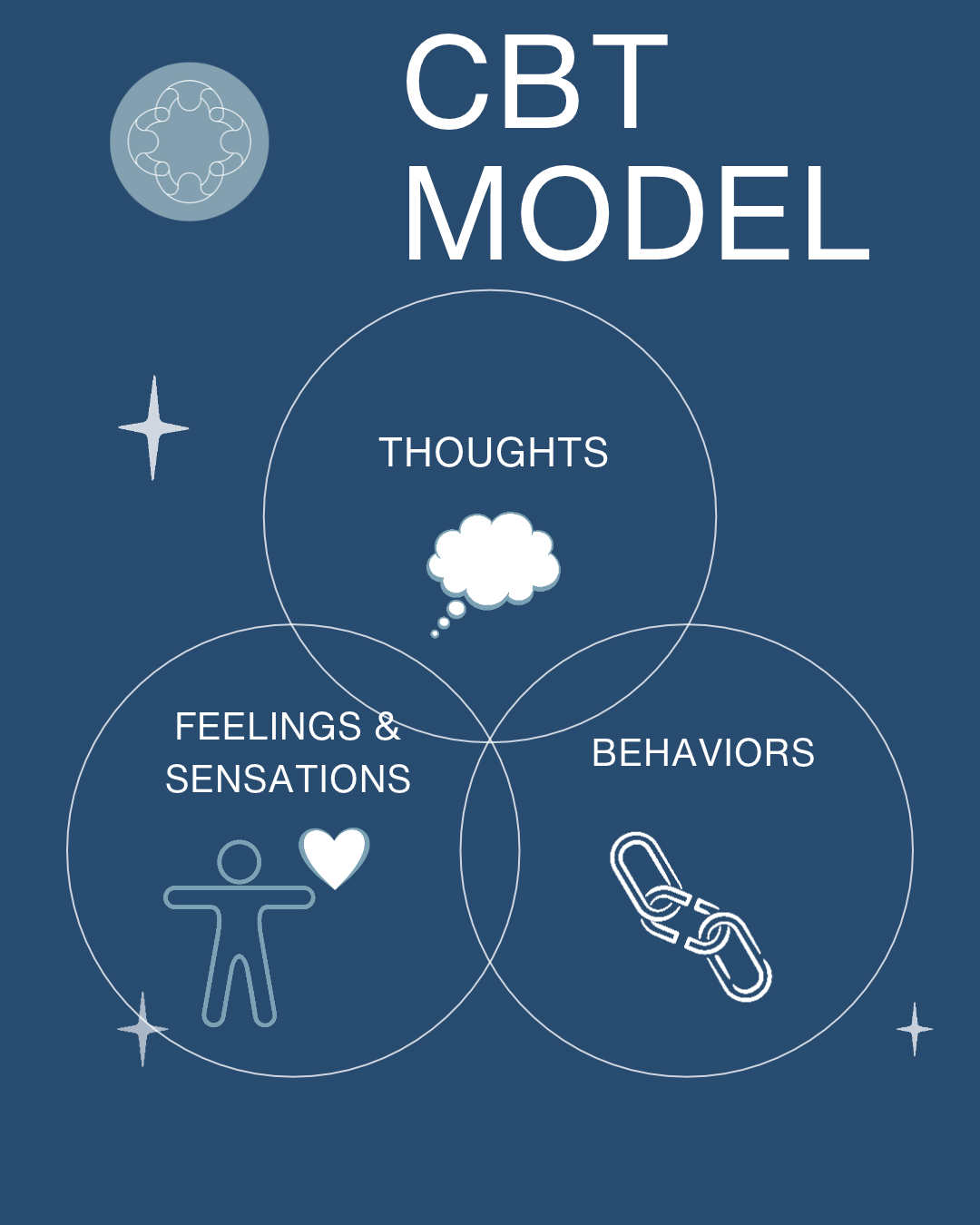
CBT focuses on the following:
Enhancing motivation towards change
Identifying thought patterns and challenging them
Identifying beliefs that keep you stuck and reworking them to be helpful
Learning feelings and sensations in the body to build coping strategies to tolerate them rather than avoid them
All these components of your experience influence each other. They can be contributing to and exacerbating the symptoms that you find most distressing.
CBT focuses on helping you to recognize the patterns of thoughts, the ways that it drives behaviors, and to work on building awareness about your feelings and sensations felt that can lead to change.
CBT-E: Cognitive Behavioral Therapy Extended for treatment of eating disorders including ARFID, Binge Eating, Anorexia, and Bulimia.
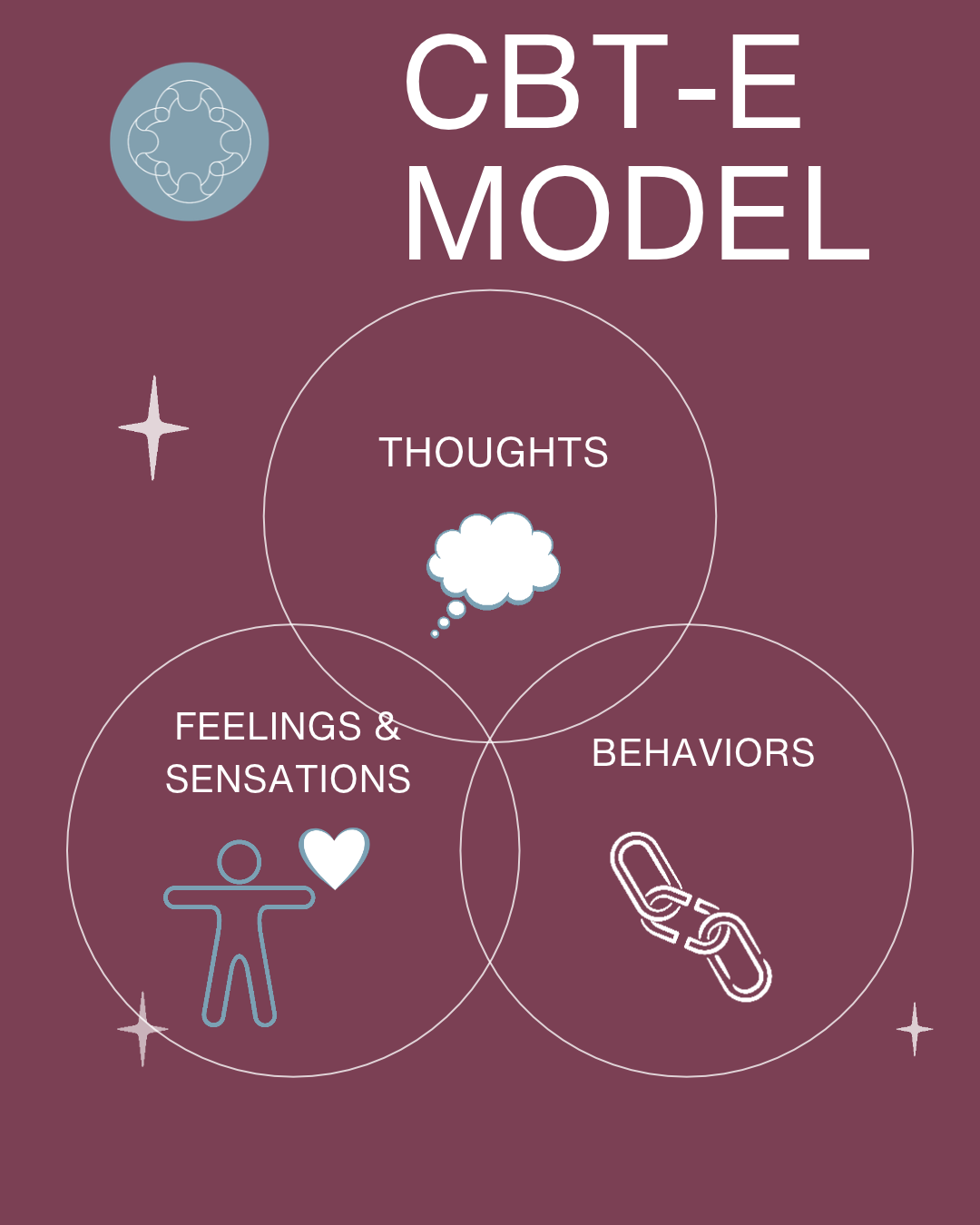
All these pieces of your experience influence each other. They can be contributing to and exacerbating the symptoms of an eating disorder, the distress that keeps you stuck, and reinforcing fear of your body changing. It can also work on perfectionism and OCD presenting symptoms that you find most distressing.
CBT - E or CBT Extended focuses on helping you to recognize the patterns of thoughts, the ways that it drives behaviors, and to work on building awareness about your feelings and sensations felt that can lead to change.
CBT-E focuses on the following:
changing behaviors that contribute to the eating disorder
challenging unhelpful eating disorder thoughts and beliefs about food and your body
building alternative coping strategies to cope with feelings and sensations
establishing regular and adequate eating patterns, building variety of foods eaten
restoring and maintaining a healthy individualized weight
addressing anxiety, perfectionism, rigidity, and other factors contributing to maintaining your eating disorder
tolerating concerns about aversive consequences of eating, including eating fear foods
enhancing motivation towards recovery
relapse prevention with the eating disorder focus
a focus on nutrition first to help support the brain in having more neuroplasticity or flexibility in thinking which can improve outcomes of using CBT or CBT-E to work on the other factors such as mood, perfectionism, and body image concerns.
This is where I work collaboratively with you to support you in creating a life that aligns with your goals values. Whether you want help with anxiety, depression, perfectionism, or eating disorder concerns reach out to discuss how therapy can help you find the relief you desire.
Welcome to a Safe Space for supportive CBT and CBT-E therapy.
Learn more about my therapist style and background training.

Starting CBT & CBT-E focused Therapy FAQs
Starting therapy, or trying therapy again can raise questions for you. Here are some commonly asked questions to support you in making an informed decision about accessing CBT focused therapy support.

-
Counselling and psychotherapy services are quite individualized, and therefore it's dependable upon your goals, current concerns, and how long you will attend. Remember it is your treatment, and as you are the driver, you can request to stop at anytime. It's important to have an open, and ongoing dialogue with your therapist about treatment progression, goals, as well as any concerns.
Specific protocols for using CBT is typically between 10-20 sessions for mood concerns, and perfectionism related challenges. If you are seeking CBT-E then it can be 20 or more sessions. If you are seeking help with co-occurring symptoms and concerns then your treatment can extend beyond this.
Some individuals will seek out counselling for a single session, whether it's a consult for coping strategies, to feel heard and validated, to assess their options, or because of curiosity. Others experience a need to attend ongoing counselling sessions focused on a long-term goal. There is evidence supporting both single-session counselling and more long-term based interventions depending on the presenting concern.
-
Social Workers are trained to provide counselling to individuals, couples, families, as well as to support communities through advocating for social equality, social justice, and work towards protection of those most vulnerable in society. Social Workers cannot diagnose or prescribe medications as part of the treatment provided.
Counselling sessions are inclusive of individualized activities, and services. I provide an eclectic approach which often includes talk therapy, creative arts-based resources, energy psychology techniques for somatic based, mind-body healing, as well as behaviour change strategies with CBT and CBT-E. I typically recommend individuals practice the skills learned in session, in between sessions to support wellness. Each counselling session is goal focused, and goals are discussed at the start of a session, and identified by the individual.
If we are using strictly CBT or CBT-E protocols then there will worksheets involved, a structured agenda created of what we need to cover, you will be invited to learn new coping strategies that we practice during sessions, and there will be assigned homework to practice what we are doing in sessions between sessions.
-
There are many benefits to each type of service, and as a social worker, I practice from the philosophy that not every service will meet the needs for everyone. Family sessions are beneficial in the way that they are helpful to shifting conflict patterns, enhancing or repairing communication styles, and supporting youth in a holistic way.
Individual Based Counselling Services focus solely on your concerns during one-to-one sessions which can beneficial for specific concerns. If you are unsure which one you require reach out and we can discuss it during a free consultation session.
CBT and CBT-E are primarily individual therapy modalities. If there is a clinical reason to include a family member, partner, or support person in your life in a session we can talk about what that involves in preparation for it as well.
-
Fees can be reviewed on this fee page specifically or on the online booking site, see link below to check current availability as well as rates.
I do not provide direct billing to insurance companies. I do provide a receipt that you may use to submit to your benefits provider for reimbursement. I do recommend you confirm that my credentials are accepted and covered by your insurance benefits coverage. I am Registered Social Worker, and my credentials are MSW, RSW.